
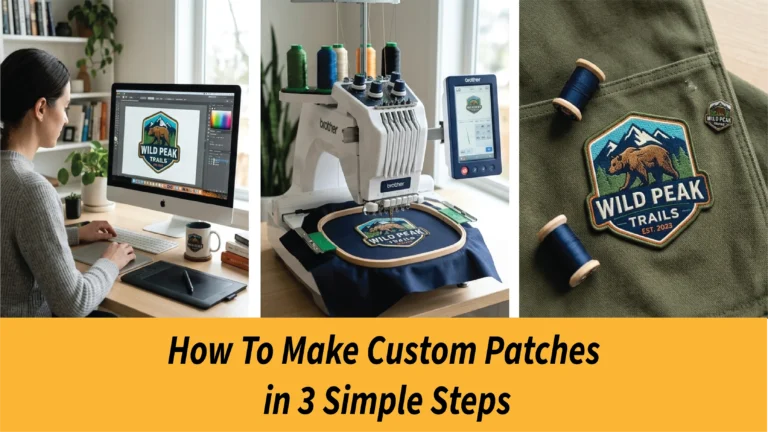
How To Make Custom Embroidered Patches in 2026
In 2026, even with all the tech changes, custom embroidered patches remain a top way to show style and brand identity. They offer a variety of uses, from team uniforms to fashion wear. These options are both practical and stylish.
However, how are they actually made? Is it possible to create them on your own, or is it better to hire professional services? In the next 5 minutes, this guide gives an overview of the production process. You’ll get a clear understanding of the steps involved.
What Are Custom Embroidered Patches?
A custom embroidered patch is a piece of fabric on which a design is made with stitches. This creates a dimensional appearance, thus making the patches more elegant and sophisticated.
Unlike printed designs that can fade with use, embroidered patches last longer. They can handle regular wear and frequent washing without losing their quality.
Design Your Custom Patches Right Now!
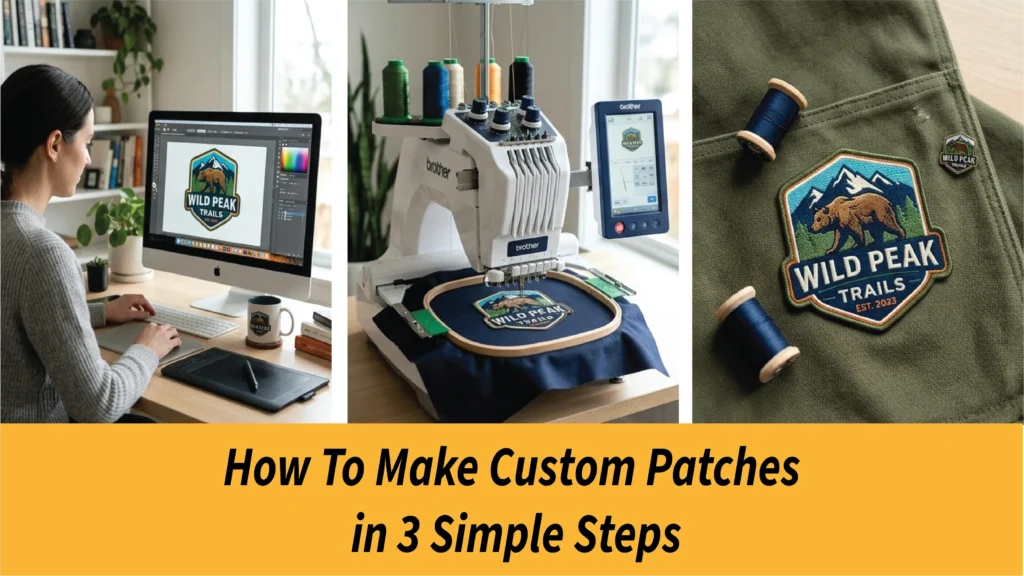
Step 1: Starting With the Design
It all starts from having an idea for design. This is where the concept will take form before the actual production is done. The simpler the art design, the better it works, as embroidery machines follow the stitches.
This is where one should keep in mind that the design should have distinct outlines. Complex designs will lose definition when made into patches. If you need a tough, waterproof option for outdoor use, check out custom pvc patches.
Step 2: Converting Artwork Into Stitch Format
After the design creation phase, the next step is to convert the design into a stitch file. This file has the info the embroidery machine needs to place each stitch. If you want something eye-catching with a shiny and fashionable look, then you should consider custom sequin patches in the UK.
This step determines how many stitches there are and how each thread will be stitched. If this process isn’t done well, the result will be uneven patches. It is because of this that this process is normally left to the hands of competent digitizers.
Step 3: Choosing Fabric and Backing Options
The material of the patch base itself is an important factor determining its quality. Strong and durable materials like twill are often selected. They help stitches hold well and stop design distortion.
As for backing, it depends on the intended usage of the patch. Some people would opt for iron-on backing to make it easier to attach. , some would go for sew-on backing if they intend to use the patch permanently.
Step 4: Embroidery Production Process
Next, the machine starts embroidering the design on the fabric. It will closely follow the stitch file as it builds the design with layers of thread. At this point, the patch takes its actual shape.
The design determines the thread colours used in the stitching process. The machine is then measured to ensure the quality of stitching. Accuracy is important throughout this process.
Step 5: Cutting and Edge Finishing
After stitching is complete, the patch is cut into its final shape. You can use laser cutting or manual cutting based on the design. Once cut, the edges are sealed to stop fraying.
This helps the patch stay strong and keeps the shape neat over time. If you want a modern raised effect with a bold and premium feel, then you should consider custom 3D silicon patches.
Step 6: Final Quality Check
How The Patches Club Supports Your Order
It should not be difficult to order custom patches. At The Patches Club, we make the process easy. This way, customers can focus on designing and creating their perfect result. The customer shares their idea, so we ensure that we stitch and finish the product well.
We offer a free quote for the customer’s consideration before producing the items. Each of them is carefully created, regardless of whether there are just a few or many patches needed.
Conclusion
Embroidered patches are a great choice in 2026. They’re durable, look good, and stay useful for a long time. As mentioned earlier, there are multiple steps involved in producing embroidered patches. However, every step is critical to ensure the end result looks impeccable.
With proper care, embroidered patches can last for years as logos or symbols without losing their quality. To make a great embroidered patch from your design, team up with a trusted supplier.
FAQs
Frequently Asked Questions
Custom embroidered patches are fabric badges. They feature stitched thread designs for clothing, uniforms, and branding.
They are made by converting a design into a stitch file and using embroidery machines to sew it onto fabric.
High-quality embroidered patches can last for years, even with regular use and washing.
Minimum order amounts vary by supplier. However, many UK companies have low minimums for small businesses.
Yes, you can submit your own artwork or logo and get fully customised embroidered patches.
Common options include iron-on, sew-on, and Velcro backing based on how you want to use them.
Embroidered patches last longer and have a textured, high-quality appearance, unlike printed ones.
Turnaround times differ. However, many providers deliver quickly, often within a few days after approval.
The best size depends on your design. However, simple and slightly larger designs often provide clearer results.
You can order from trusted suppliers like The Patches Club. They offer quality stitching and provide a free quote.
How To Make Custom Patches For Clothing In The UK?
Custom patches have become an integral part of fashion trends in the UK. They can be found on jackets, hoodies,…
How To Make Custom Iron-On Patches in 2026?
Custom iron-on patches are one of the easiest ways to add style to clothing, bags, hats, and uniforms. In 2026,…
How To Make Custom Velcro Patches in the USA?
Velcro patches are a simple way to upgrade your look. They can be attached, swapped, and reused on various items,…